Here are a few stray photographs of Paris that didn't fit into the themes of my other posts.

"Metal asparagus," as the French originally called it.

Along the banks of the Seine.

Notre Dame.


The "Red Windmill."

Basilique du Sacré-Cœur.


Arc de Triomphe.

The Benedictine Abbey of Saint-Germain-des-Prés.

View from the Eiffel Tower

At the Musée d'Orsay.

Place des Vosges.

Canal Saint-Martin.

Le Lapin Agile ("The Nimble Rabbit"), a Montmartre nightclub popular with struggling artists like Picasso and Apollinaire.

Montmartre.


Parc des Buttes Chaumont.

Somewhere in Le Marais.

Notre Dame at dusk.

Showing posts with label paris. Show all posts
Showing posts with label paris. Show all posts
07 June 2012
Random photos of Paris

18 May 2012
Cemeteries of Paris (part 2)
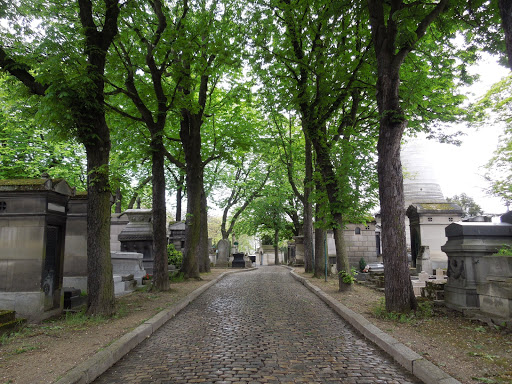
The largest cemetery in Paris is Père Lachaise, which opened in 1804 and imported some of its first residents, such as Molière, from other graveyards as a promotional ploy to make the fairly remote site more attractive to potential tenants. This tactic evidently paid off because today there is a long waiting list for admission and plots are rented out in 30-year leases. Here's a closer look.
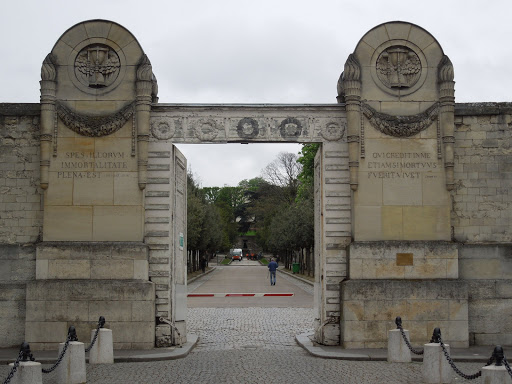
Cimetière du Père Lachaise.
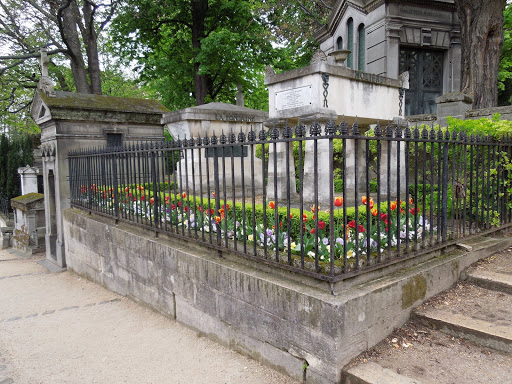
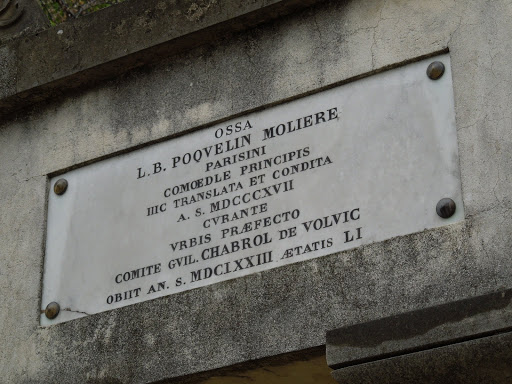
The grave of Jean-Baptiste Poquelin, better known as Molière, French comedic playwright known for Tartuffe and The Misanthrope.


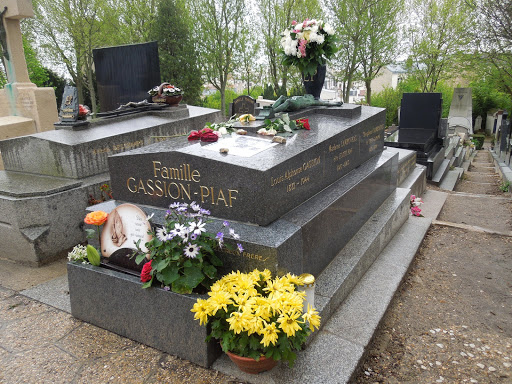
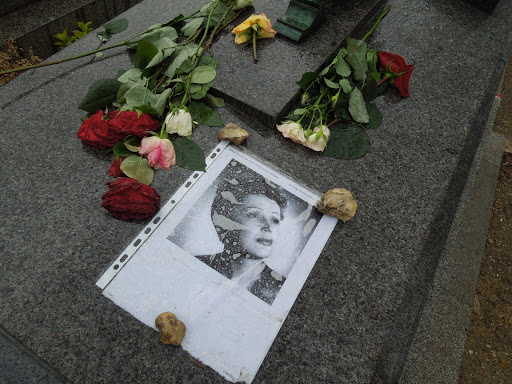
Édith Piaf, the "Little Sparrow," was a beloved French chanteuse famous for songs like "La Vie en rose" and "Non, je ne regrette rien." Her last words were "Every damn fool thing you do in this life, you pay for."

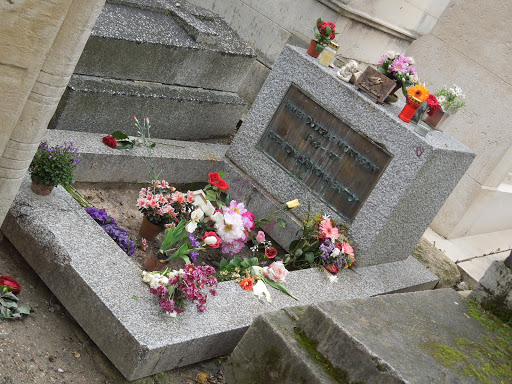
James Douglas Morrison, dionysian lead singer of The Doors who died mysteriously in a bathtub in Paris. Conspiracists believe his death was faked and he still walks among us.
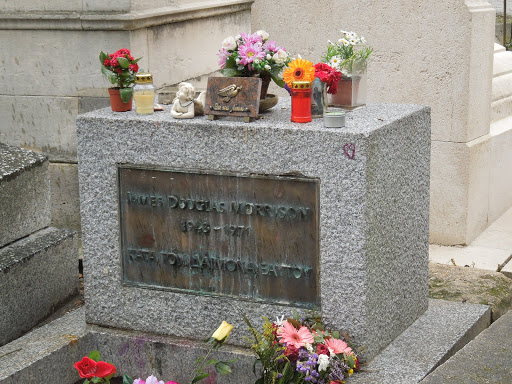
A bust of Morrison once topped the grave but it was stolen.

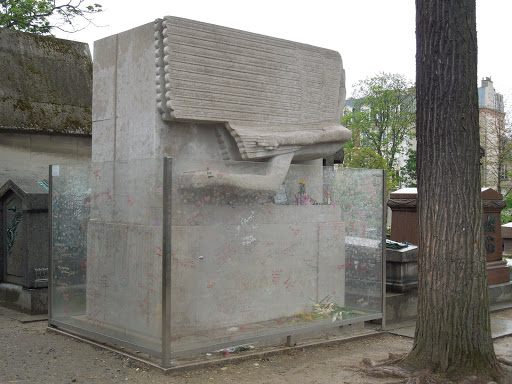
The grave of Irish poet, playwright, and perennially-quoted wit Oscar Wilde, who died in a Paris hotel in 1900. His alleged last words were "My wallpaper and I are fighting a duel to the death. One of us has got to go." The Picture of Dorian Gray, The Importance of Being Earnest, and The Ballad of Reading Gaol are a few of his notable works.

The most popular attraction in the place, Wilde's grave was surrounded by a cluster of youths when I first approached. "Who's this guy again?" one of them asked his pal.
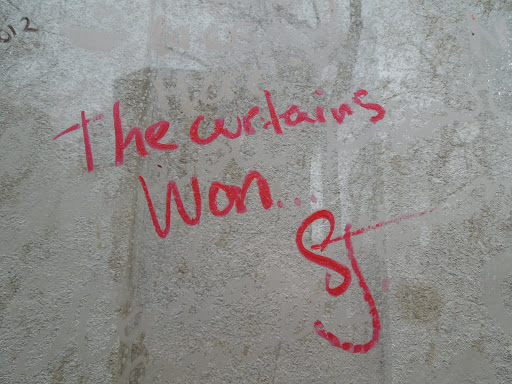
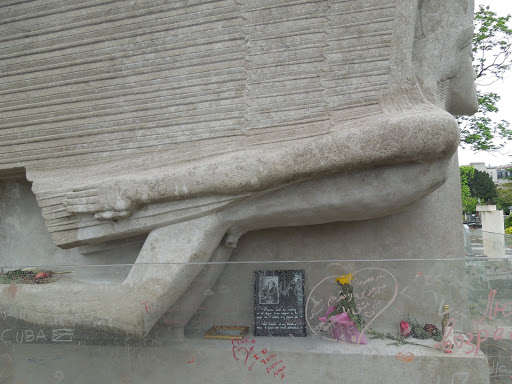
The monument is currently barricaded to prevent exuberant visitors from kissing the surface of the sculpture, which has become a tradition of sorts. Presumably cemetery management was concerned about erosion.
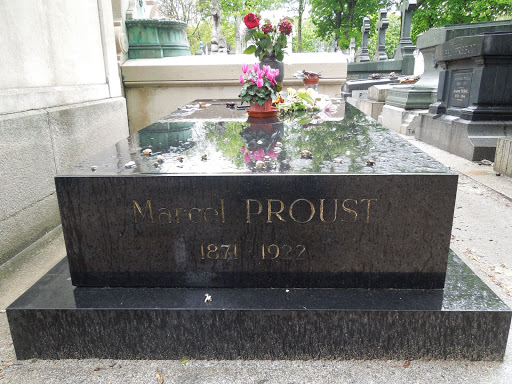
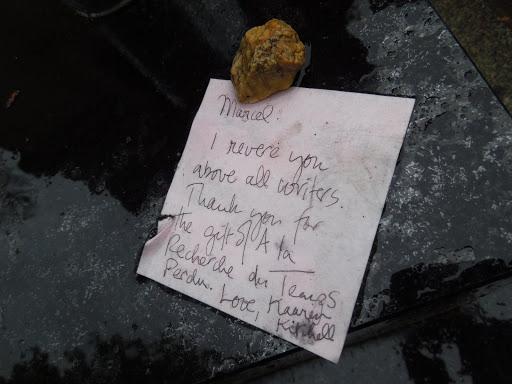
Marcel Proust, best known for the seven-volume magnum opus, À la recherche du temps perdu. See my earlier entry Literary Paris for a museum exhibit of his cork-lined bedroom.
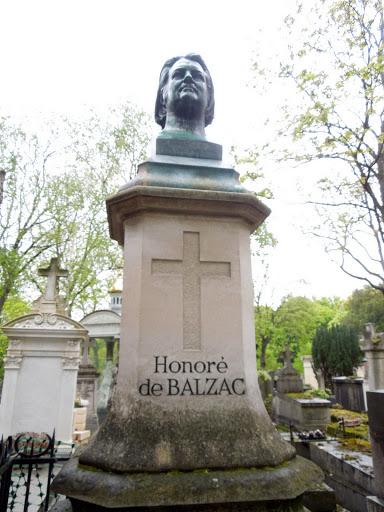
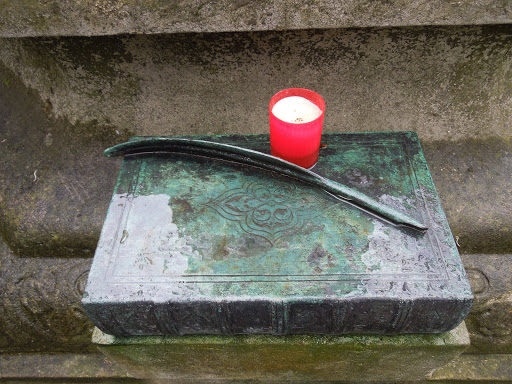
Honoré de Balzac, novelist and playwright, proponent of Realism. Known for his Human Comedy collection.
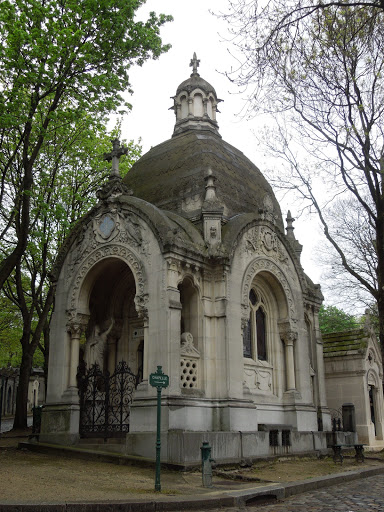
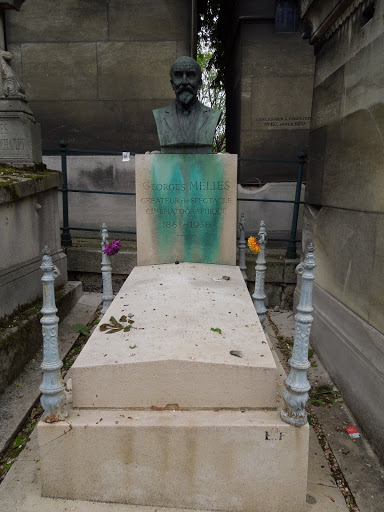
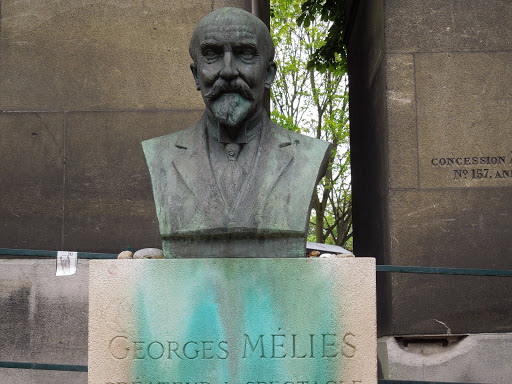
Georges Méliès, illusionist and film pioneer. Everyone has seen clips from his movie Le Voyage dans la lune whether they realize it or not, specifically the shot of a rocket poking a custard pie-faced moon in the eye. During World War I the bulk of his original prints were melted down to make boots for French soldiers. Only a handful survived. Méliès' life was recently exhumed for the Martin Scorsese Oscar-winner Hugo.
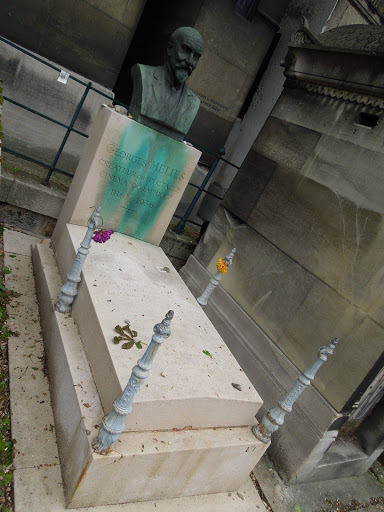

Through the gates and back to the world of the living.
14 May 2012
Cemeteries of Paris (part 1)
What to say about cemeteries other than they are peaceful on first glance, but below the surface lie the remnants of those who long before we existed built worlds, set them afire, and built them up again. This makes the hallowed grounds ideal for contemplation, reflection, a sense of historical perspective, and, occasionally, album cover art.
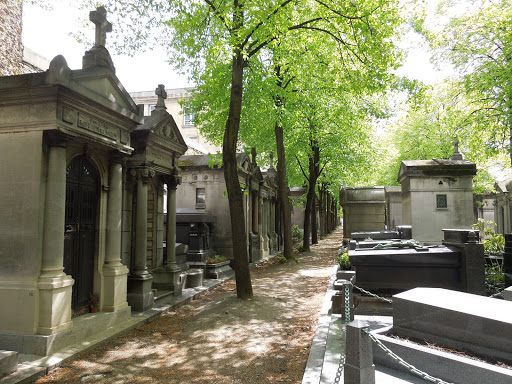
Paris lays claim to several of the most magnificent cemeteries in the western world and here are the results of a somber jaunt through the great cemetery of Montparnasse.
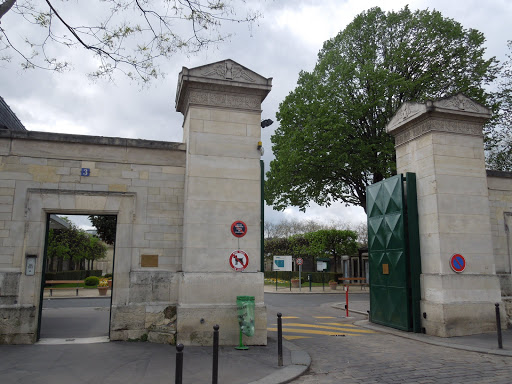
The entrance to the Cimetière du Montparnasse.
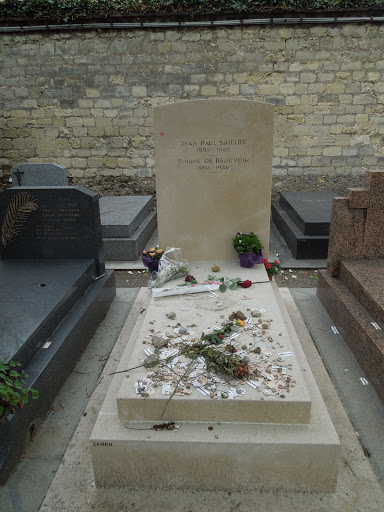
The shared grave of Jean-Paul Sartre, key figurehead of existentialism, and Simone de Beauvoir, feminist and social theorist.
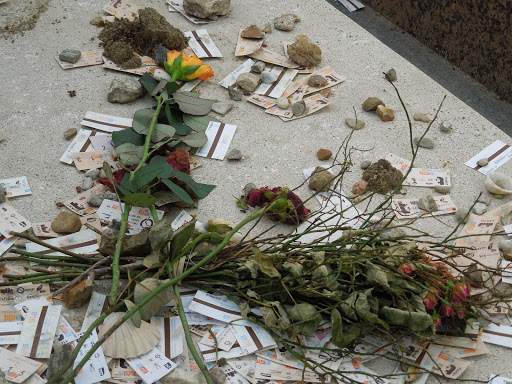
Railway tickets are a popular token to leave behind on French gravesites. I wonder if it symbolizes the journey into death or are just readily available. A cruel trick, I feel, to slip the dead an expired ticket.

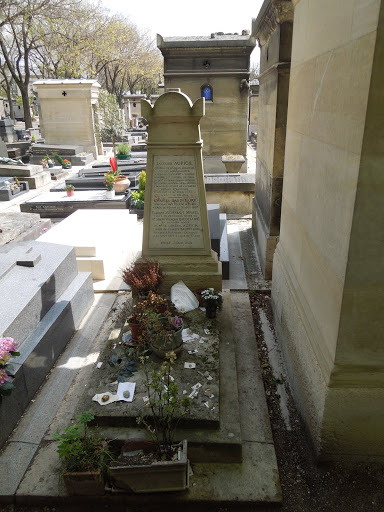
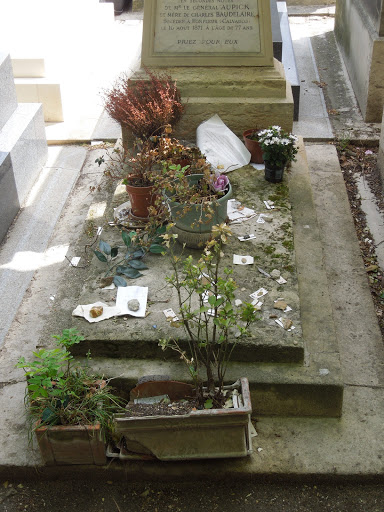
The resting place of Charles Baudelaire, an early Symbolist poet most famous for Les Fleurs du mal ("The Flowers of Evil"). As I paid my respects a gentleman sat nearby, silently reading poetry, presumably Baudelaire's but it could've been Edward Lear's for all I knew.
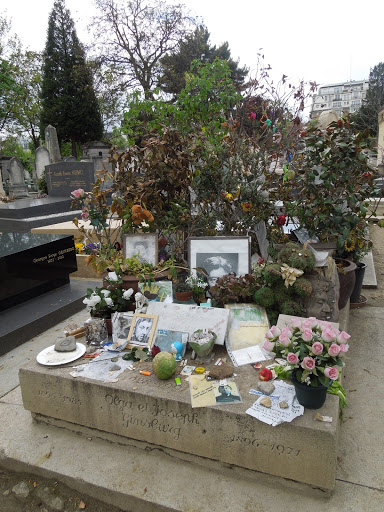
Serge Gainsbourg, popular French singer-songwriter and worldly lech.

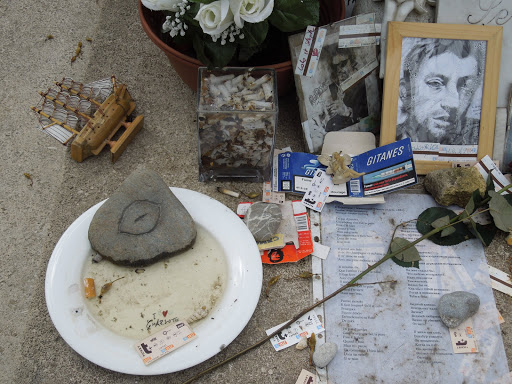
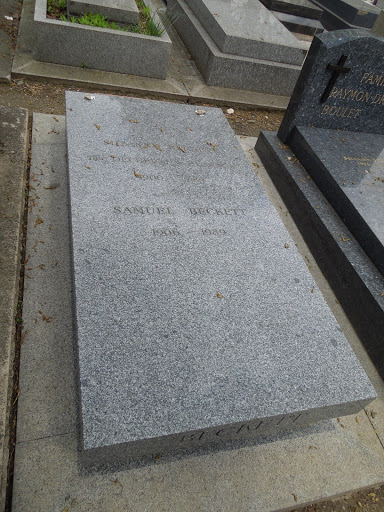
Samuel Beckett, Irish avant-garde novelist and playwright. His best-known work is probably the absurdist play Waiting for Godot.
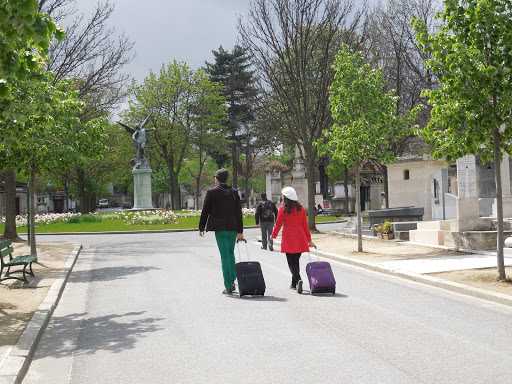
Two visitors prepared for an extended stay.
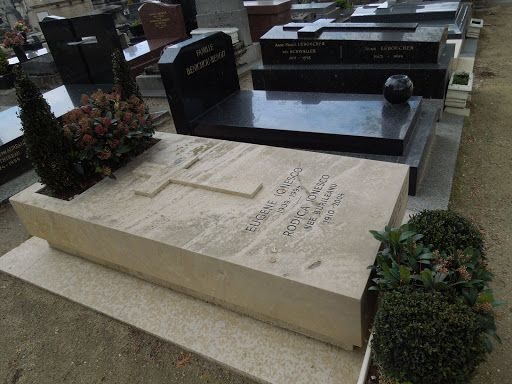
Theatre of the Absurd playwright Eugene Ionesco, author of Rhinoceros and The Bald Soprano.
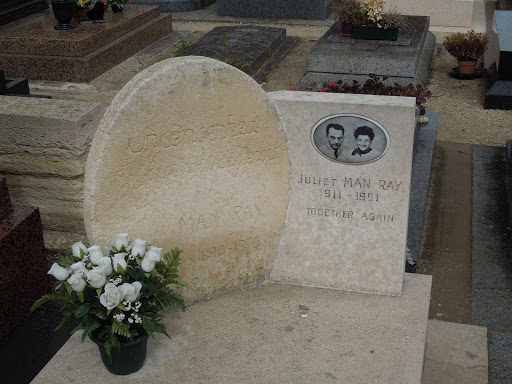
Man Ray, American surrealist photographer and painter.
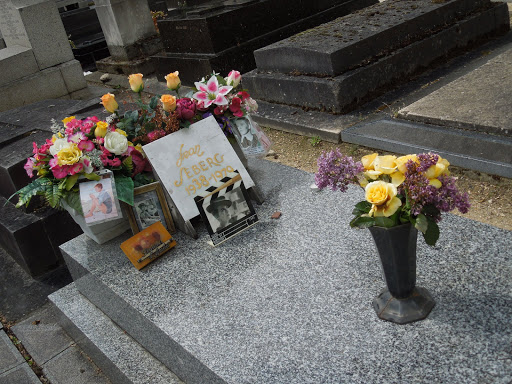
Jean Seberg, actress from À bout de souffle and Bonjour tristesse. Hers was a tragic life.
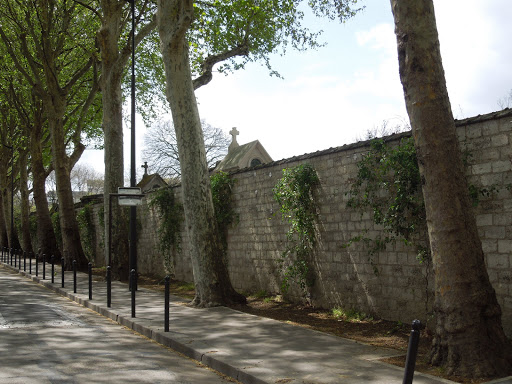
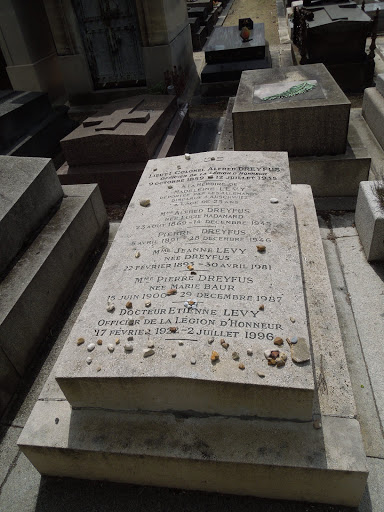
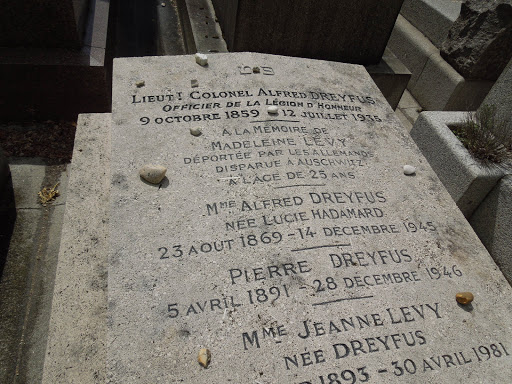
Lt Colonel Alfred Dreyfus, unfairly charged with treason in 1894. The Dreyfus Affair sharply divided French society of the time. The writer Émile Zola rose to his defense in an open letter called "J'accuse" in which he denounced the French government for anti-Semitism.
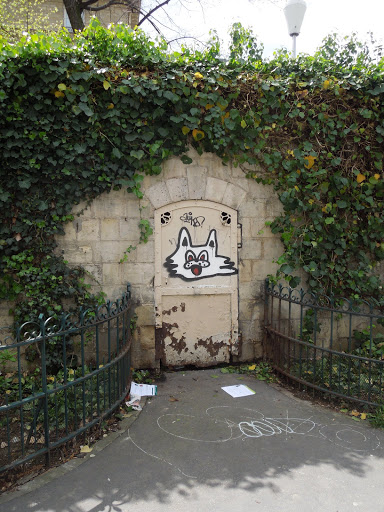
This must be the entrance to the pet cemetery.
Subscribe to:
Comments (Atom)